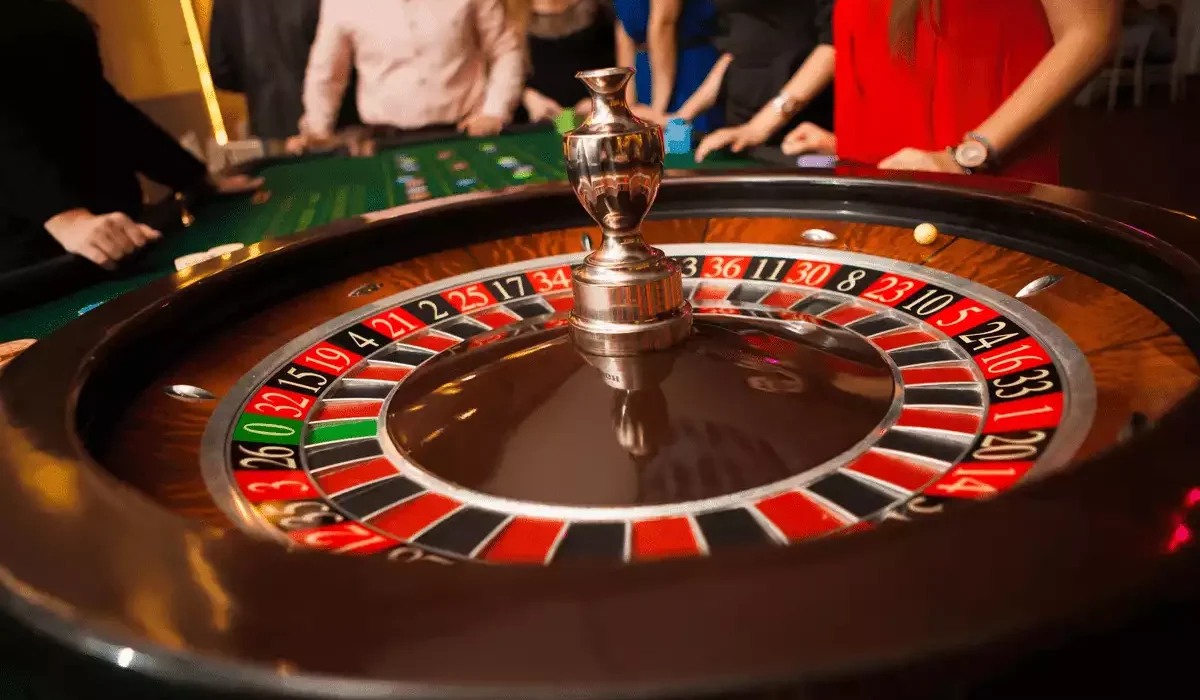
Roulette is not just numbers and odds.
It’s colour.
It’s movement.
It’s timing.
Before a player understands probabilities, their brain is already reacting to visual and motion cues.
Those cues shape emotion, behaviour, and session length more than most roulette sites realise.
The Brain Responds Before the Player Thinks
Roulette players don’t consciously analyse design elements.
Their nervous system does it for them.
Colour, motion, and speed trigger:
-
Arousal
-
Calm
-
Urgency
-
Comfort
Those reactions influence how long players stay and how confident they feel.
Red and Black Are Emotionally Charged
Red and black are not neutral colours.
Red signals:
-
Action
-
Risk
-
Excitement
Black signals:
-
Control
-
Stability
-
Seriousness
When these colours are balanced well, roulette feels familiar and safe.
When exaggerated, they can overstimulate or intimidate players.
Over-Saturation Increases Fatigue
Bright, high-contrast colour schemes look exciting at first.
But they exhaust players quickly.
Visual fatigue leads to:
-
Shorter sessions
-
Reduced focus
-
Faster exits
Balanced colour palettes support longer play by reducing sensory strain.
Green Should Feel Neutral, Not Dominant
Green represents the house.
If green feels too prominent:
-
The house feels overbearing
-
Losses feel amplified
-
Fairness perception drops
Subtle green integration maintains balance.
Dominant green creates psychological discomfort.
Motion Creates Rhythm — or Breaks It
Motion defines the pace of play.
Smooth motion:
-
Feels controlled
-
Builds trust
-
Supports flow
Jerky or inconsistent motion:
-
Feels artificial
-
Breaks immersion
-
Triggers suspicion
Players subconsciously associate smoothness with integrity.
Spin Speed Shapes Emotional Response
Spin speed influences player mindset.
Slow spins:
-
Increase anticipation
-
Reduce pressure
-
Support reflection
Fast spins:
-
Increase arousal
-
Reduce decision time
-
Can feel rushed
Neither is wrong.
But inconsistency between spins damages trust.
Consistency matters more than speed.
Faster Isn’t Always Better
Some sites speed up roulette to increase volume.
This often backfires.
Too-fast spins:
-
Overwhelm new players
-
Reduce perceived control
-
Increase emotional fatigue
Players may spin more briefly — but return less often.
Sustainable engagement beats short-term intensity.
Motion Should Support Outcomes, Not Distract
Animations should clarify results, not steal attention.
Good motion:
-
Highlights winning numbers
-
Shows chip movement clearly
-
Ends cleanly
Bad motion:
-
Delays outcomes
-
Adds unnecessary drama
-
Obscures results
Clarity reinforces fairness.
Excessive Motion Feels Manipulative
Players are sensitive to manipulation cues.
Too much motion can feel like:
-
Misdirection
-
Artificial excitement
-
Pressure
This triggers scepticism.
Calm motion builds trust.
Predictable Timing Reduces Anxiety
When players know what to expect, anxiety drops.
Predictable timing between:
-
Bet closure
-
Spin start
-
Result display
Creates comfort.
Unpredictable timing creates tension — and not the good kind.
Colour and Motion Together Shape Belief
Colour and motion don’t work alone.
Together, they shape belief systems:
-
“This feels fair”
-
“This feels rushed”
-
“This feels safe”
Design choices directly influence these beliefs.
Beliefs drive behaviour.
Mobile Sensitivity Is Higher
On mobile, sensory input feels stronger.
Bright colours feel brighter.
Fast motion feels faster.
Mobile roulette must be:
-
Calmer
-
Cleaner
-
More restrained
Otherwise, fatigue sets in quickly.
Experienced Players Notice Subtle Differences
Seasoned roulette players may not articulate it — but they feel it.
They notice:
-
Spin timing consistency
-
Motion smoothness
-
Colour balance
When something feels off, trust erodes quietly.
Visual Calm Encourages Longer Sessions
Calm visuals:
-
Reduce stress
-
Improve focus
-
Support extended play
Players don’t need stimulation from the interface.
They get stimulation from the outcome.
Emotion Drives Betting Behaviour
High arousal increases impulsive bets.
Calm environments support:
-
Measured decisions
-
Longer sessions
-
Better retention
Design affects not just duration — but behaviour quality.
Many Sites Accidentally Overstimulate
This is common.
In trying to feel “exciting,” sites:
-
Overuse colour
-
Add unnecessary motion
-
Speed up spins
The result is shorter sessions and lower trust.
Less stimulation often performs better.
Calm Is Not Boring — It’s Professional
Professional systems feel calm.
Players associate calm environments with:
-
Seriousness
-
Stability
-
Fairness
These associations matter deeply in roulette.
The Best Designs Fade Into the Background
When design fades, belief strengthens.
Players stop noticing:
-
Colours
-
Animations
-
Timing
They focus on play.
That’s when engagement peaks.
Small Tweaks Create Large Effects
Tiny changes to:
-
Colour saturation
-
Animation length
-
Spin timing
Can dramatically affect session length.
This is where optimisation lives.
Psychology Beats Flash Every Time
Flash attracts attention.
Psychology keeps players.
Understanding how the brain responds to colour, speed, and motion leads to better outcomes than adding features.
Final Thought (And a Quiet Invitation)
If roulette sessions feel short or erratic, the issue may not be odds or incentives.
It may be sensory overload.
Small adjustments to colour, speed, and motion can dramatically improve how calm, fair, and trustworthy your roulette experience feels.
If you’re looking for roulette SEO expert support that understands player psychology, interface behaviour, and long-term engagement — not just traffic — you’re welcome to get in touch.


