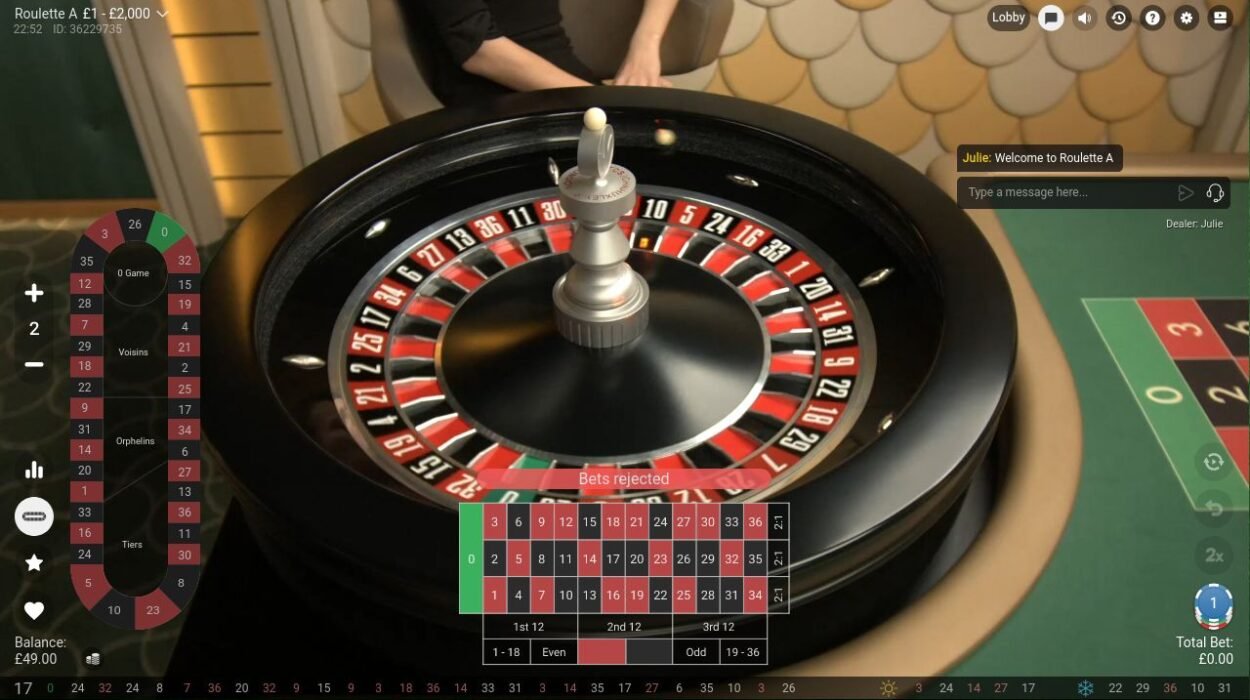
Most roulette websites don’t intend to encourage reckless play.
But many do — quietly, unintentionally, and at scale.
The result isn’t just short sessions.
It’s churn.
Players burn out, disengage, and never return.
Understanding how this happens is critical if you care about long-term players rather than short-term spikes.
Reckless Play Is a Design Outcome
Reckless behaviour doesn’t come from personality alone.
It’s shaped by:
-
Interface cues
-
Pace of play
-
Feedback timing
Design influences emotion.
Emotion drives behaviour.
Speed Without Friction Fuels Impulsivity
Ultra-fast spins with zero pause remove reflection.
Players don’t have time to:
-
Process outcomes
-
Adjust behaviour
-
Regain emotional balance
This creates a loop of impulsive betting.
Impulsivity feels exciting — briefly.
Then fatigue sets in.
Losses Feel Heavier When There’s No Breathing Room
Back-to-back spins compress emotional response.
Players experience:
-
Rapid losses
-
Heightened frustration
-
Escalation behaviour
Escalation feels like control in the moment.
It leads to disengagement later.
Over-Stimulating Visuals Increase Emotional Volatility
Bright flashes.
Aggressive animations.
Constant movement.
These amplify emotion.
High emotion leads to:
-
Bigger bets
-
Shorter thinking cycles
-
Faster burnout
Calm visuals support measured play.
Measured play supports longevity.
Hidden Limits Encourage Overreach
When limits are unclear or invisible, players drift.
They lose track of:
-
Time
-
Spend
-
Session length
This creates discomfort after the session ends.
Discomfort discourages return visits.
Ambiguous Feedback Feeds Chase Behaviour
When outcomes aren’t clearly explained, players fill gaps with emotion.
They think:
-
“I was close”
-
“It should’ve hit”
-
“I’ll recover next spin”
Clear feedback interrupts this loop.
Ambiguity fuels it.
Promotions Can Accidentally Promote Excess
Poorly framed incentives:
-
Encourage volume over control
-
Reward speed over awareness
-
Reduce perceived cost of loss
This attracts short-term activity.
It repels long-term players.
Constant Action Removes Decision Quality
When there’s always something happening, players stop deciding.
They react.
Reaction replaces intention.
Intention is what keeps players engaged over time.
Reckless Play Feels Bad After the Session Ends
This matters more than during play.
Players who feel:
-
Regret
-
Loss of control
-
Emotional exhaustion
Are unlikely to return.
Retention is decided after the session — not during it.
Experienced Players Leave Faster Than Beginners
Seasoned players recognise reckless environments quickly.
They don’t argue.
They leave.
Losing experienced players is costly because:
-
They return more often
-
They play longer
-
They trust fewer platforms
Once lost, they rarely come back.
Calm Systems Create Sustainable Engagement
Sites that encourage:
-
Pauses
-
Reflection
-
Clarity
Produce players who:
-
Stay longer
-
Return more often
-
Trust the platform
Calm isn’t boring.
Calm is sustainable.
Responsible Design Is Good Business
Encouraging measured play:
-
Improves lifetime value
-
Reduces churn
-
Builds trust
This isn’t about morality.
It’s about long-term economics.
Small Design Choices Compound
Tiny details matter:
-
Micro-pauses
-
Clear limits
-
Visible session context
Each one nudges behaviour.
Together, they define the experience.
Players Remember How a Site Made Them Feel
They may forget:
-
Wins
-
Losses
-
Exact outcomes
But they remember:
-
Stress
-
Calm
-
Regret
-
Confidence
Feeling determines return behaviour.
Recklessness Isn’t Loyalty
High activity isn’t loyalty.
Loyalty comes from:
-
Trust
-
Comfort
-
Predictability
Websites that prioritise speed over sustainability sacrifice long-term value.
Slowing Down Can Increase Revenue
This sounds counter-intuitive.
But slower, calmer play often leads to:
-
Longer sessions
-
More return visits
-
Higher lifetime value
Retention beats intensity.
The Best Roulette Sites Feel Balanced
Balanced sites:
-
Don’t rush
-
Don’t overstimulate
-
Don’t hide information
They let players feel in control.
Control builds trust.
Reckless Environments Create Silent Churn
Players don’t complain.
They disappear.
Silent churn is the most expensive kind.
Designing for Long-Term Players Requires Empathy
Understanding how players feel after a session matters.
Design with that moment in mind.
If players leave feeling calm and informed, they return.
Calm Is the Ultimate Retention Strategy
Calm systems:
-
Reduce burnout
-
Improve trust
-
Extend engagement
Flashy systems burn bright — then burn out.
Final Thought (And a Quiet Invitation)
If roulette players spike briefly but don’t return, the issue may not be content or incentives.
It may be emotional fatigue caused by reckless-encouraging design.
Small shifts toward clarity, pacing, and control can dramatically improve retention.
If you’re looking for roulette game SEO that understands player psychology, sustainability, and long-term value — not just traffic — you’re welcome to get in touch.


